
|
CBC. Jim Prentice says 'nation-building' pipelines crucial to Canada's future *** Waterloo Record. 'We can do business:' Prentice to discuss Energy East with Ontario and Quebec E&E Publishing by Kriz Hobson. In late November, incoming Alaska Governor Bill Walker (NGP Photo) gave a short speech to a packed resource industry meeting filled with some of his most hard-line critics. Walker, who won the Alaska governor's race by a scant 6,000 votes and takes office today, assured the group that he'll fight for increased oil and gas extraction in the state. "You can't be anything but pro-oil development in this state to be a successful governor," he told the Resource Development Council's annual conference in Anchorage. Walker also vowed to support construction of Alaska's long-awaited multibillion-dollar natural gas pipeline project, which would bring North Slope fuel to state residents and to a liquefied natural gas export terminal on Alaska's southern shores (E&ENews PM, July 21). |
Last Night's Alaska OCS Hearing
by
Dave Harbour
 Last night at the Crown Plaza Hotel in Anchorage, the federal Bureau of Ocean Energy Management (BOEM) held a public hearing on its Draft Supplemental Environmental Impact Statement (SEIS) for Chukchi Sea Lease Sale 193.
BOEM's Alaska Region OCS Director, Dr. James Kendall (NGP Photo) organized and moderated the event. In our opinion, it was the best organized BOEM hearing in recent memory. The witnesses were fairly chosen by lottery and Kendall succeeded in limiting testimony so that the long list of those wishing to testify was efficiently processed.
We observed that those who turned out on a snowy, cold, December night were divided into two groups: 1) those who wished that the Department of Interior would affirm the long debated Lease Sale 193 and proceed with future stages of exploration and production, and 2) those asking BOEM to support vacating the Lease Sale. We observed that of almost 40 witnesses, a few more than half were opposed to Arctic development than those who supported it. We also observed a large number of oil and gas industry and general business employees who supported development but who did not testify.
Yesterday, we invited readers to provide us with their testimony to BOEM on this subject. Following are several of the comments we received, including our own:
(Note: completing of editing in progress….)
Alaska State Senator Cathy Giessel
Mary Ann Pease (Who did not attend but sent this testimony directly to BOEM. Here's how).
Matthew A. Cronin, Research Professor
Here are this week's suggested energy links from the Office of the Federal Inspector, Alaska Natural Gas Transportation Projects Office:
- Petronas plans B.C. LNG investment decision end of December
- Mayor of small B.C. coastal town looks forward to LNG project
- B.C. passes LNG legislation, but still waiting for investment decisions
- Most don’t trust B.C. on LNG decisions, poll shows
- B.C.’s new LNG income tax legislation complex — and long
- Lawyers’ job is to worry about what might go wrong for LNG projects
- LNG industry awaits new toll structure for expanded Panama Canal
- Oil and gas trader says new LNG supplies will hold down prices
- Low prices in Asia could more direct LNG to Europe
- Falling oil prices could delay push for LNG pricing reform
- Drop in oil prices could delay new Australia LNG projects, bank says
- Ohio, Pennsylvania will debate production tax on natural gas
- EPA criticizes FERC review of Corpus Christi, Texas, LNG project
- Analysts predict higher domestic gas prices in Western Australia
- B.C. First Nation, Enbridge want the same site for different terminals
- India presses Mozambique to adopts laws enabling LNG industry
- Brazil awards electricity contract for two LNG-fueled power plants
.jpg) Senator Cathy Giessel: (NGP File Photo) December 1, 2014
Public comment to BOEM Re: Draft Supplemental Impact Statement for Lease Sale 193
I am State Senator Cathy Giessel. I chair the Senate Resources Committee and am a member of the Alaska Arctic Policy Commission. I am a lifelong Alaskan.
Lease Sale 193 has undergone exhaustive environmental review, and BOEM has once again recognized that exploration can be done with minimal environmental impact to the ecosystem of the Arctic. Oil and gas development in the Chukchi Sea can be done safely, and it is past time for the government to affirm Lease Sale 193.
Offshore oil and gas development is strongly supported by the people of Alaska and increased production will strengthen our nation’s overall energy security. It will also be a boon for job creation both in Alaska and across the country, and production will generate significant government revenue at a time of continued economic uncertainty at home and turmoil abroad. Energy production on Alaska’s Outer Continental Shelf (OCS) is critical to our nation’s long-term energy supply,
Steps must be taken now to ensure we have access to energy resources in the long term so all Americans will benefit from the security of a stable supply of domestic fuel for decades to come. For that reason, I strongly support affirmation of Lease Sale 193.
Upon conclusion of this public comment period, I respectfully request that BOEM quickly finalize the SEIS and allow leaseholders to move forward with planned exploration and production activities. I appreciate BOEM’s attention to this important matter and look forward to safe and responsible energy production in the Chukchi Sea.
Anne Seneca, Consumer Energy Alliance – Alaska
Before the Bureau of Ocean Energy Management
December 1, 2014
Anchorage, Alaska
Good Evening.
My name is Anne Seneca. I am the executive director for Consumer Energy Alliance and oversee the operations of our Alaska chapter. My family and I are longtime Alaska residents and are proud to call Anchorage home CEA is a national, nonprofit, nonpartisan trade association made up of more than 250 corporate members and more than 400,000 individual members nationwide dedicated to developing a balanced national energy policy that will ensure adequate and affordable energy for American energy consumers. Our membership includes the Alaska Trucking Association, Alaska Chamber of Commerce, Shell Energy, Caterpillar and others that represent thousands of Alaskan workers and energy consumers. CEA strongly supports the responsible development of Alaskan offshore energy resources and encourages the BOEM to swiftly approve the SEIS and affirm the lease sale. Alaskans have long supported responsible development of our natural resources. The federal government has studied the environmental impact of this lease sale for many years, and continues to find that Arctic oil and natural gas exploration can be done safely. Sound application of science and technology and intelligent, reasonable regulation can ensure that we protect the Arctic environment while developing the necessary energy resources to fuel our economy well into the future. A recent CEA poll found that nearly three quarters of Alaskans support offshore development north of Alaska. Energy development in the Chukchi Sea will boost the state’s economy by generating 35,000 jobs annually for the next 50 years. Moreover, future development of offshore resources will help fill the Trans-Alaskan Pipeline System and ensure the longevity of this critical infrastructure that is central to the Alaskan economy. For our neighbors in the Lower 48, Arctic energy development will ensure greater energy security, particularly for West Coast consumers who depend on Alaskan energy. Taxpayers will also benefit from the $193 billion in revenues that could be generated by Alaskan OCS development. It is past time for the government to affirm Lease Sale 193 and allow exploration to proceed so that Alaskans can realize the tremendous economic benefits these resources will provide the state. Lease Sale 193 has undergone exhaustive environmental review, and BOEM once again has acknowledged that exploration can be done with minimal environmental impact. I appreciate the opportunity to speak today and look forward to BOEM’s quick approval of the SEIS. Thank you. Dave Harbour Comments Regarding Second Supplemental Outer Continental Lease Sale 193 SEIS By Dave Harbour December 1, 2014 I believe BOEM is correct in now aggressively proceeding with the four step process mandated under the Outer Continental Shelf Lands Act (OCSLA). I join others in lamenting the judicial delays of what has become more than a decade long process. Citizens must accept that much if not most of the delay was imposed by the courts in response to legal challenges to your process. While some have disputed your process, some of us believe the courts overreached and, in at least one case, inappropriately substituted its judgment for your own, but that is water under the bridge. The Second Chukchi Sea Lease Sale 193 SEIS now before us reasonably states the range of values of the OCS resource to the nation. That partly addresses one of the remand requirements. Environmental protections have been addressed in unfathomable detail. The challenge now is to successfully process the remaining steps required by the OCSLA. Even with this step out of the way, the challenges to you and to industry are daunting. But the economic value of this work to Alaska and the national interest values to the United States demand your best work from this point forward — knowing that part of your challenge is to permit an economically feasible project while respecting due process and eliminating causes for litigants to challenge your future process and decisions. ____________________________________________ Dave Harbour is a former member and Chairman of the Regulatory Commission of Alaska and Commissioner Emeritus, National Association of Regulatory Utility Commissioners. A former chairman of the Alaska Council on Economic Education, he is an energy writer and photographer. Marleanna Hall (NGP Photo) Testimony of Marleanna Hall • Anchorage, Alaska OCS Lease Sale 193 SEIS • Monday, December 1, 2014 My name is Marleanna Hall, I am an Anchorage resident. Good evening and thank you for the opportunity to comment in support of finalizing the SEIS for lease sale 193 and allowing exploration activities to move forward. As a lifelong Alaska, I know and appreciate what the oil industry in Alaska does for our economy, as well as for our nation. I believe that offshore exploration offers opportunities to not only learn more about the resource potential, but to also better train people for future activities both in Alaska’s OCS and in the Arctic in general. The potential for Alaskan jobs and possibilities of contracts for Alaskan businesses should not be delayed any further. Exploration and development could provide businesses, such as my native corporation, BSNC, chances to bid on jobs and projects advancing OCS development. Small pieces of larger projects like the OCS can help rural and urban Alaska, in both the long and short term. In rural, Alaska, where good paying jobs are often scarce, an opportunity to train and employ Alaskans and shareholders of Native corporations will go a long way. I’m concerned resource development in Alaska will continue to be attacked by groups opposed to development anywhere, but those same opportunities will still move to other countries, some of which don’t strive to protect the environment as we do in Alaska. I encourage BOEM to act now, as we need investment in Alaska, and finalize the SEIS for lease sale 193. Thank you for the opportunity to be here today. Carl Portman (NGP Photo) Testimony of Carl Portman On SEIS for Lease Sale 193 Anchorage, Alaska December 1, 2014 Good afternoon. I am a life-long Alaskan, who paid a state income tax and lived on a homestead before oil was flowing down the trans-Alaska Pipeline. Our state’s economy at that time was less than half its current size. We did not have the modern amenities that many of us take for granted today. There were few health care facilities and schools in the bush and overall we had a lower standard of living. During my summer breaks from college, I worked on the pipeline – both on the North Slope and in the Brooks Range. I saw for myself the care and effort that went into developing our North Slope oil fields. Overall, we did a good job, but I do remember the big battles and endless lawsuits aimed at stopping North Slope development and construction of the pipeline, which for more than three decades has been Alaska’s economic lifeline and at one point accounted for 25 percent of domestic production. Opponents to Arctic energy development back then insisted that we couldn’t do it safely, there were too many data gaps, and much more research would be needed before development could possibly proceed. They also warned that development would wipe out the caribou, along with other Arctic wildlife. Americans moved forward with development of the North Slope oil fields and construction of the pipeline in some of the most hostile conditions on the planet. Oil changed the face of Alaska’s economy – for the better. The next chapter for oil and gas development in Alaska is the Arctic offshore. Development of energy reserves in the Chukchi Sea could refill the TAPS, create tens of thousands of jobs here in Alaska and the Lower 48, and keep our private sector economy healthy. We have the know-how and technology to explore safely in the Arctic, and industry has been there before as numerous wells were drilled safely in the Chukchi and Beaufort Seas more than 20 years ago. Lease Sale 193 has undergone rigorous environmental reviews and this area has become one of the most studied oil and gas basins in America. Industry has invested billions of dollars in Chukchi Sea leases and preparations to explore. It’s now time to move forward. In conclusion, I urge the Bureau of Ocean Energy Management to finalize the SEIS, reaffirm Lease Sale 193, and allow exploration to proceed. Thank you. Mary Ann Pease (NGP Photo): I firmly believe that Bureau of Ocean Energy Management should expeditiously finalize the SEIS for Lease Sale 193, reaffirm Lease Sale 193, and allow exploration activities to proceed! If there is truly a need for Energy sustainability for American – these lease sales and the SEIS is the perfect place to make it happen rather than importing oil and gas from terrorist-supported countries. Lease Sale 193 has undergone exhaustive environmental review, and BOEM has once again acknowledged that exploration can be done with minimal environmental impact. Alaskans have proven that resource development can proceed in a way that protects the environment while providing economic benefits and improving the standard of living for Alaskans, especially those living in the Arctic. Alaska has one of the world's largest untapped oil and gas potential, especially in its offshore areas. The Chukchi Sea, off Alaska’s northwest coast, offers more resources than any other undeveloped U.S. energy basin, and, according to experts, may be one of the largest untapped oil and gas sources in the entire world. Shell and other companies need to e able to proceed without costly and litigious delays. Alaskans support OCS development by a huge majority- again do not take pour rights to a stable and growing economy away from us and export it to other countries that are not aligned with our democratic system. There has never been a blowout in the Alaskan or the Canadian Arctic. Since 1971, 84 wells have been drilled in the Alaska OCS – all without incident. For drilling planned in the Chukchi, the water depth is rather shallow – several hundred feet – and is akin to the near-shore shallow-water Gulf of Mexico, where safe drilling practices have led to a long history of safe operations. The North Slope and its offshore are now perhaps the most studied energy basins in the United States. In the past decade, over 250 studies have been funded in the Arctic, with the majority focused on the Beaufort and Chukchi Seas. TAPS is one of the largest pipeline systems in the world and has transported more than 17 billion barrels of oil since it came online in 1977. At its peak, TAPS carried approximately 24 percent of domestic production to market ensuring West Coast residents received a stable supply of domestic energy. Since 2005, 680 leases have been awarded to companies interested in exploring for oil & gas off the Alaska coasts. Despite years of applications for permits, community consultation, environmental studies and analysis, and more than $3 billion in bonus payments to the federal government and investment in technology, equipment and personnel, not one well has been drilled to hydrocarbon depth as a result of Lease Sale 193. When the federal government awards a lease and accepts payment, it has an obligation to efficiently process permits within a reasonable time period. The current regulatory structure and legal quagmire have taken away Alaska and America's ability to access and develop some of its most promising natural resources at a time when America needs jobs, economic growth, reduced dependency on foreign energy sources and a dependable supply of affordable energy. Testimony at BOEM Chukchi Sea OCS sdEIS hearing at the Crowne Plaza Hotel, Anchorage Matthew A. Cronin, Research Professor University of Alaska Fairbanks 1 December 2014 Oral testimony was given at the hearing, and is summarized here in written form. During the project description given earlier it was stated that this Chukchi Sea OCS process began in 2007. That is seven years ago. Note that World War 2 was completed in less than 4 years from Pearl Harbor to the surrender of Japan. Also note that the Alaska Highway was built in less than one year. The bureaucratic regulatory process is way too slow and inefficient. Also note the decision to designate the bearded seal as an Endangered Species was recently vacated by the U.S. District Court judge and remanded to NMFS because it was arbitrary and too speculative. It used models to predict the extinction of the species in 50 or 100 years, and the judge said this was too speculative. I know that the federal government, including BOEM and the Department of the Interior, has many good scientists. The government should not have a judge vacate a decision because it is too speculative. The scientists in the agencies should review these issues and use their expertise to ensure good science is used in such important decisions. I urge the scientists in BOEM and other government agencies to think and use your skill and knowledge on science issues like the bearded seal, and the Chukchi OCS program. Don’t be afraid to ask hard questions and insist on good science. Thank you for your attention. Tom Maloney (NGP Photo) December 1, 2014 Tom Maloney 3215 Legacy Dr. Anchorage, AK 99516 (907) 244-4119 In April 2007, the Federal Government presented an outstanding presentation on the Proposed Final OCS Oil and Gas Program for 2007-2012. Since that time, over 7 ½ years ago, many hearings have taken place and not a whole lot has been accomplished to bring resources to market. In 2009, in front of several hundred Alaskans, my son Sam had the opportunity to testify in front of Secretary Ken Salazaar. Sam was a high school junior at the time and was looking forward to future working opportunities relating to the OCS. In his previous testimonies on this subject (yes, he testified multiple times like others in the audience), he stated: “We need to keep the TransAlaska Pipeline System open so young Alaskans like me can have the same great opportunities that our parents did. We need to have new oil from federal sources like the OCS to keep TAPS going for future Alaskan generations. Let’s get on with OCS lease sales, future drilling and new production. Young people like myself want to occupy good paying jobs and safely develop our rich Alaskan resources.” Sam has since graduated from high school and college with a degree in welding and non-destructive testing. Fortunately, he has a great paying job with a fine Alaska-owned company. Advancing the OCS will help secure his future success and the success of young Alaskans like him. In the past 7 ½ years, other countries that want rich Arctic resources are actually building infrastructure and not just talking about it. OCS-Yes. Our TAPS needs the oil, and Alaskans could use the jobs. Thanks. Maynard Tapp (NGP Photo) Rick Rogers (NGP Photo) Testimony of Rick Rogers Executive Director Resource Development Council On SEIS for Lease Sale 193 Anchorage, Alaska December 1, 2014 Good afternoon. RDC is a statewide organization made up of all resource sectors, business associations, labor unions, Native corporations, tourism providers, local governments and individuals. RDC’s purpose is to encourage a strong, diversified private sector in Alaska and expand the state’s economic base through the responsible development of our natural resources. Lease Sale 193 has undergone thorough environmental reviews and the Bureau of Ocean Energy Management has once again acknowledged that exploration can take place in the offshore waters of the Chukchi Sea with minimal environmental impact. RDC is confident that exploration, development, and production of oil and gas resources can occur in the lease area in a responsible manner that protects the environment while providing immense economic benefits and improving the standard of living for not only Arctic residents, but all Alaskans. Offshore development on current leases will provide much-needed jobs and revenues to Alaskans. In addition to boosting economic growth, Alaskan offshore development will help extend the life of the Trans-Alaska Pipeline, which continues to play a critical role in our nation’s energy security. The Alaska OCS is an important future source of U.S. energy supply. The potential reserves offshore Alaska is more than all the current total proven U.S. conventional oil reserves. Although domestic production has sharply increased over the past several years, America is still importing significant volumes of oil at a great cost. Development of Alaska’s Arctic resources would further reduce America’s reliance on foreign oil. It would also generate hundreds of billions of dollars in government revenues. The industry purchased leases in the Arctic in good faith, and Shell alone has spent more then $6 billion on purchasing its leases and preparing to drill. After waiting more than five years, leaseholders should be allowed to proceed with exploration efforts. Alaskans agree that exploration, development, and production of offshore Arctic energy resources should move forward. In a recent poll, 73 percent support OCS development. In conclusion, the Arctic, both onshore and offshore, is now perhaps the most studied energy basin in the U.S. More than 250 studies have been funded, with the majority in the Beaufort and Chukchi Seas. Moreover, this area was safely explored and drilled more than 20 years ago. RDC urges the Bureau of Ocean Energy Management to expeditiously finalize the SEIS, reaffirm Lease Sale 193, and allow exploration to proceed. Thank you.  The area affected by this lease sale has been exhaustively analyzed by BOEM and its predecessor agency and by a of gauntlet court proceedings resulting in a number of remands.
 My name is Carl Portman and I am testifying on my own behalf this evening.
.jpg) Comment: Once again, the Federal Government is stepping over Alaskan's rights to develop in a responsible manner our natural resources in and around Alaska.
Chukchi oil and gas resources are key to sustaining the Trans-Alaska Pipeline System (TAPS) and protecting U.S. energy security.
 Matthew Cronin, Research Professor
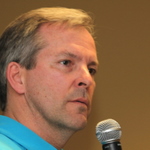 Good evening. My name is Tom Maloney and I am a longtime resident of Anchorage.
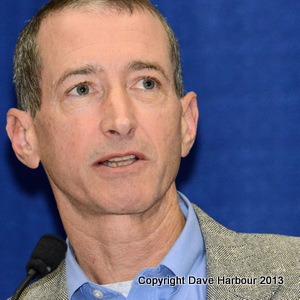 My name is Rick Rogers, Executive Director of the Resource Development Council for Alaska, Inc.

Leave A Comment