
CBC. A pipeline along the Alaska Highway has yet to begin actual construction, even after nearly 40 years of discussions about it, but congress chair Dave Harbour said progress is being made. “A bystander might think that nothing has changed, because there is yet no pipeline,” Harbour told CBC News. “But there are … continuing changing circumstances, and that’s what we will be dealing with.” Congress organizers have set aside Thursday for delegates to hear from Canadian delegates, including aboriginal leaders, industry and government officials. N.W.T. Industry Minister Bob McLeod and Gwich’in Tribal Council president Richard Nerysoo are confirmed to speak. Premier Dennis Fentie was scheduled to speak at the congress, but officials with the premier’s office say he will be touring Yukon communities instead this week. Representing the Yukon in Anchorage is Brian Love, the territorial government’s oil and gas director, who said he will be meeting with his Alaskan counterparts during the event. Love said he aims to “let them know what we’re doing in Canada in terms of getting ready in the Yukon for the project, and to get an update from the Alaska state officials on what they’re doing and how we can work co-operatively on the project. “Harbour said governments may hear from industry delegates that they’re not working hard or fast enough on getting the Alaska pipeline off the ground. “We’re seeing the frustration level with bureaucracy rise to the level that it may provide a good catalytic effect on moving the project off of high centre,” he said.
At yesterday’s Alaska Oil and Gas Congress the Alaska Gas Pipeline Federal Coordinator, Drue Pearce, called Alaska AFL-CIO President Vince Beltrami her new, “BFF” (Best Friend Forever), following his Alaska Gas Pipeline speech to the National Convention yesterday. Your NGP Publisher is involved with the conference again today and will have more reports later this week…. Meanwhile…scroll down for more!
Reuters Coverage. KTUU Video, by Jason Moore. At the fifth annual Alaska Oil and Gas Congress Tuesday, the two competing projects to build a pipeline from the North Slope to Alberta presented progress reports. First up: TransCanada’s vice president of Alaska Development Tony Palmer. The company that won the state’s Alaska Gasline Inducement Act (AGIA) license has since teamed with Exxon Mobil to pursue the pipeline. But Palmer was not afraid to say he would like two other key companies to come on board. “Both companies — TransCanada and Exxon Mobil — seek broader alignment with other key stakeholders such as BP and ConocoPhillips and any other key stakeholders to make this project a success,” Palmer said. But BP and ConocoPhillips continue to push forward with their own plan known as Denali, the Alaska Gas Pipeline. Speaking for Denali was vice president Kris Fuhr, who focused on the qualifications of the two companies to handle not only the pipeline but the massive gas treatment plan required at Prudhoe Bay. “This is a multi-billion dollar, two to three year, sea-lift type of execution plan larger than anything that has ever been done on the slope in the past and as a fun fact — virtually every major project that has been delivered on the North Slope of Alaska has been managed by either ConocoPhillips or BP,” Fuhr said.
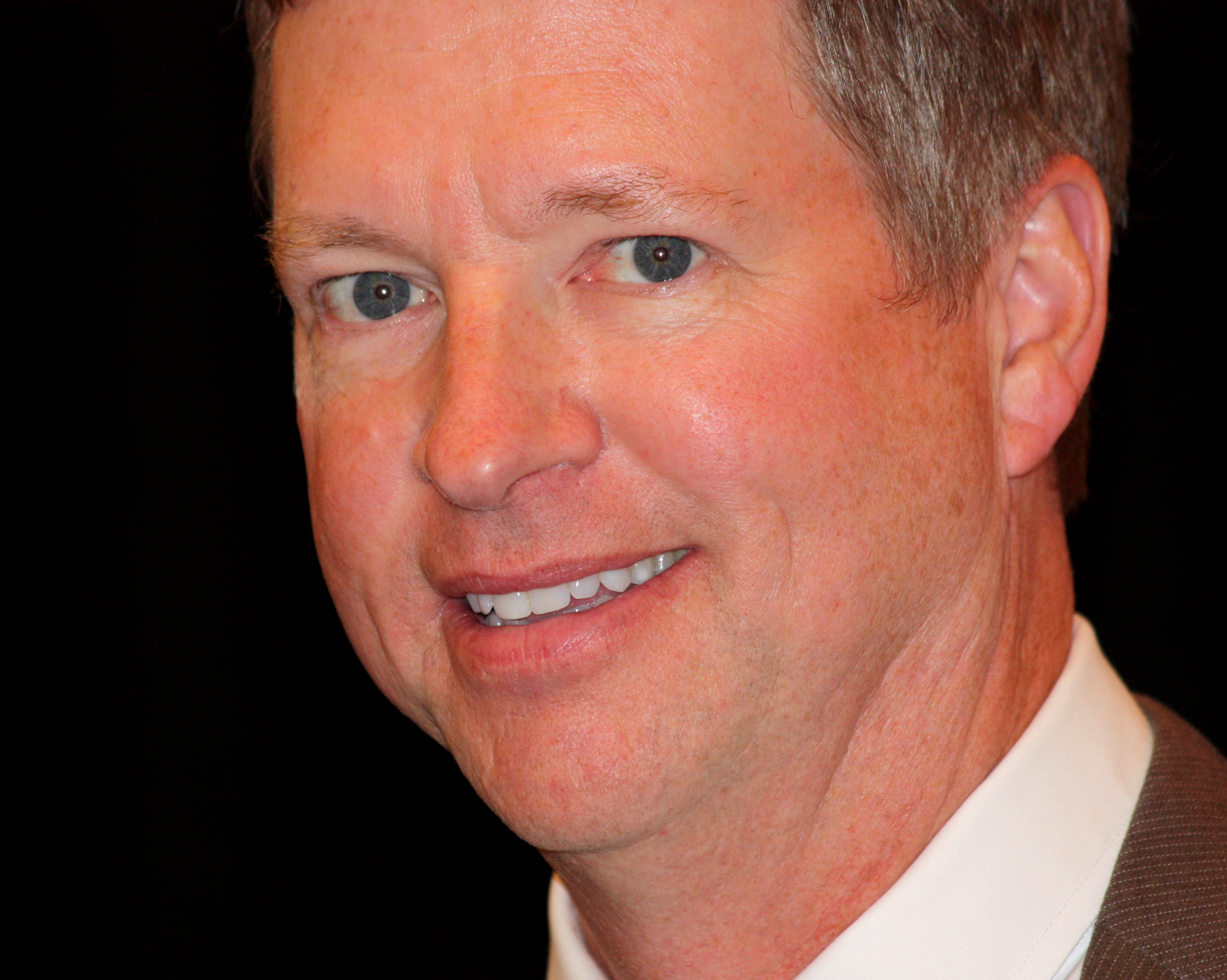 ADN, by Elizabeth Bluemink (NGP Photo). The proponents of a multibillion-dollar North Slope gas pipeline got a sobering report Tuesday
 from a global energy consultant who ticked down the many obstacles to the project’s success. Chief among those obstacles is cheaper gas from other places: massive unconventional gas basins in the Lower 48 that are conveniently located next to major metropolitan areas, said the Calgary-based consultant, Gerry Goobie (NGP Photo) of Purvin & Gertz Inc. “They could eat Arctic gas’s lunch. I’m not saying they will, but they could,” Goobie told an audience of more than 100 people at the Alaska Oil & Gas Congress, a four-day conference under way this week in downtown Anchorage. Goobie predicted that the competition among gas suppliers would be “fierce” and that the North Slope project would not succeed unless its costs are tightly controlled. That statement echoed the mantra often repeated by Tony Palmer, a vice president for TransCanada Corp., one of the companies seeking to build a gas pipeline from the North Slope to Alberta.

Leave A Comment